

Interview - Author Elspeth Hay
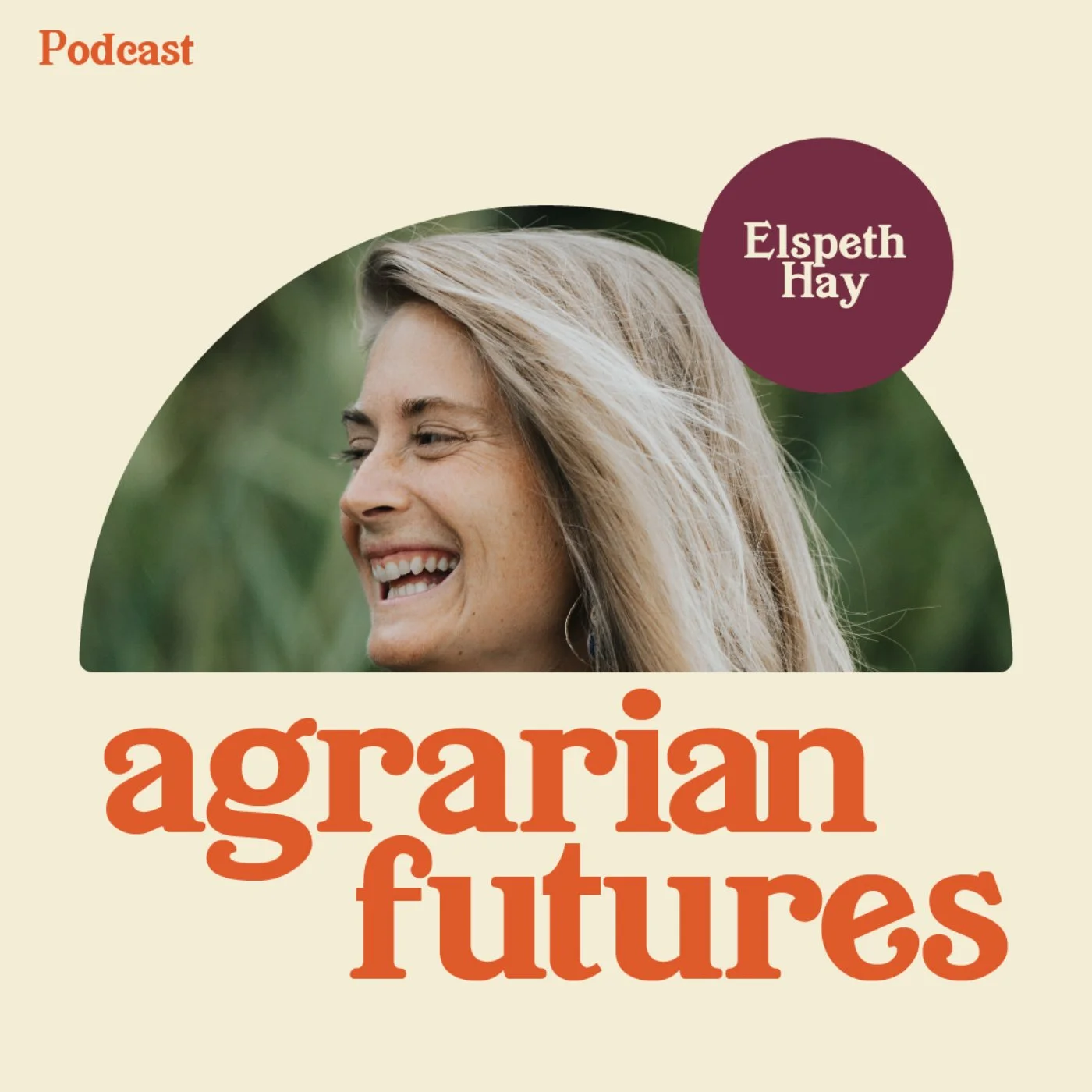
I’m willing to bet that most of our listeners - like us - have been more likely to see acorns as food for squirrels, not people. But as Elspeth Hay points out in this conversation, that assumption says more about our food system than it does about the acorn.
For much of human history, acorns were a staple. They fed communities across North America, Europe, North Africa, and Asia - and in some cases - still do. They were managed, processed, stored, and celebrated. So how did we go from acorns as everyday food to acorns as woodland debris? In her fantastic book Feed Us with Trees, Elspeth traces how enclosure, industrial agriculture, and a narrow definition of “real farming” pushed perennial forest foods to the margins of our imagination.
In this episode, we dive into:
• Why acorns were once reliable staple crops, not novelty ingredients
• The myth that we can only feed ourselves with annual row crops
• How the loss of commons reshaped our relationship to forests and food
• What Indigenous land management, including fire, meant for food abundance
• The false divide between farming and foraging
• How pigs, oaks, and people once formed integrated food systems
• What it would take to bring acorns and other perennial tree foods back into our diets
More about Elspeth:
Elspeth Hay is the creator and host of the Local Food Report, a weekly feature that has aired on the Cape and Islands NPR station since 2008, and the author of Feed Us with Trees: Nuts and the Future of Food.
Deeply immersed in her own local-food system, she writes and reports for print, radio, and online media with a focus on food and the environment. You can learn more about her work at elspethhay.com.
Agrarian Futures is produced by Alexandre Miller, who also wrote our theme song. This episode was edited by Drew O’Doherty.