


A podcast exploring what’s broken in our food system, and what it looks like to build something better.
Listen to the trailer.
Recent Episodes
-
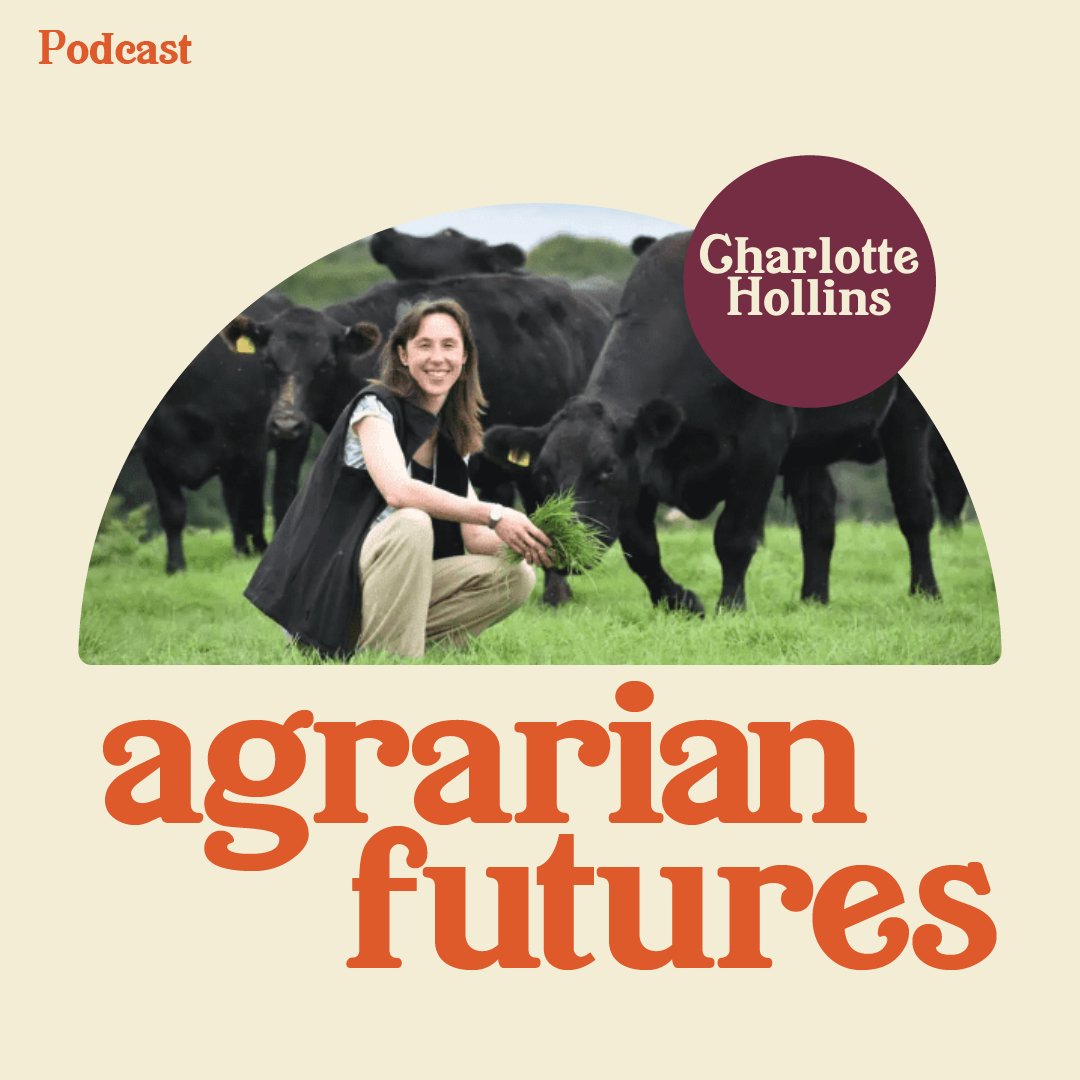
Building a Cooperative Food System Pt. 1: Land Access with Fordhall Community Farm
If we're serious about building a better food system, we have to start with land.
Across the world, land is getting more and more expensive. In the United States, farmland values have nearly doubled since 2011. What we're witnessing is an unprecedented land rush — one that's driving prices to levels simply unattainable by farmers and ranchers and the people we're actually asking to grow our food. As land is sold to development, we are losing an estimated 2000 acres of farmland every single day.
But the bigger story is what's coming. More than 40% of American farmland is owned by people over the age of 65. What this means is that roughly 370 million acres, an area larger than Texas and California combined, is expected to change hands over the next twenty years. Who ends up owning it will shape our food system for decades.
This mini-series is about what a food system built on cooperative principles could actually look like. In a world where land is becoming a speculative asset owned by distant investors, what would it look like to take land back - to hold it in common, to make sure the people actually farming it can afford to be there?
We need alternatives. And one of the clearest working answers I've come across is Fordhall Community Farm. It’s an almost unbelievable underdog tale that has a lot to teach us about the future of land access in our food system.
-
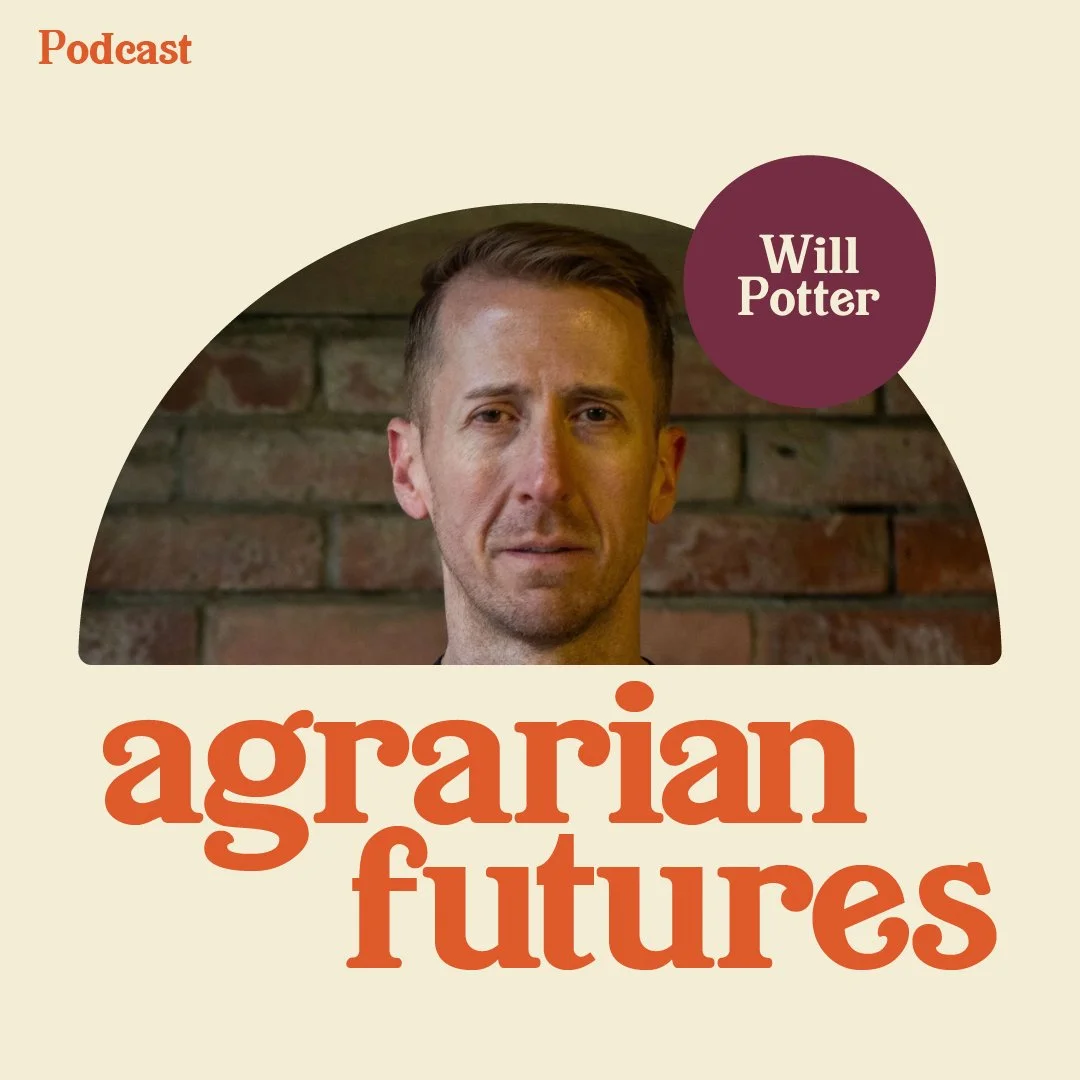
What Big Agriculture is Hiding with Will Potter
Our guest today Will Potter’s new book, Little Red Barns, started as a tale about censorship in journalism around industrial agriculture, but became something much bigger: a 10 year investigation look at how factory farming, an ages old mythos of family farms, and the rise of authoritarian politics have all worked in tandem to produce social, economic, and ecological disaster.
Will is an investigative journalist and author of Green Is the New Red. In this conversation, we talk about what he found writing Little Red Barns, from the industry's efforts to keep cameras out of factory farms to what that secrecy is really protecting.
-
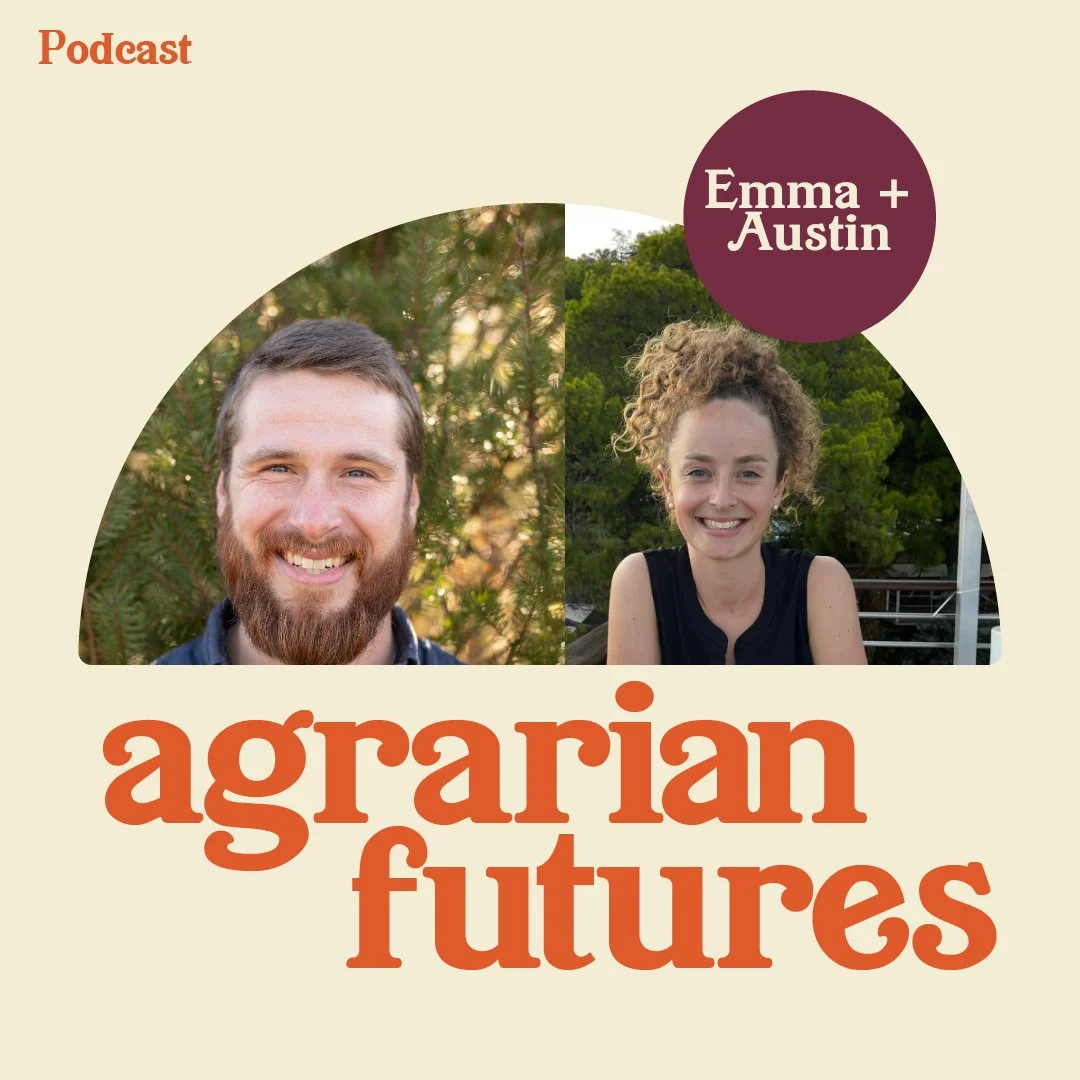
The Common Ingredients of Success in the Regenerative Movement
Enjoy Part Two of Emma and Austin's reflections on 2.5 years of Agrarian Futures. In this episode, they highlight the commonalities they see in the big success stories of the regenerative movement, including cooperative economics, finding the right niche in the food system, learning to tell your story, and much much more.
-
The Big Lessons from Agrarian Futures with Emma and Austin
Hi all! This time, we're doing something a bit different.
In this episode, Emma and Austin - hosts of Agrarian Futures - sit down to tell their own story, and share some of their key takeaways of 2.5 years of talking with brilliant farmers and thinkers about the future of our food system. Enjoy!
-
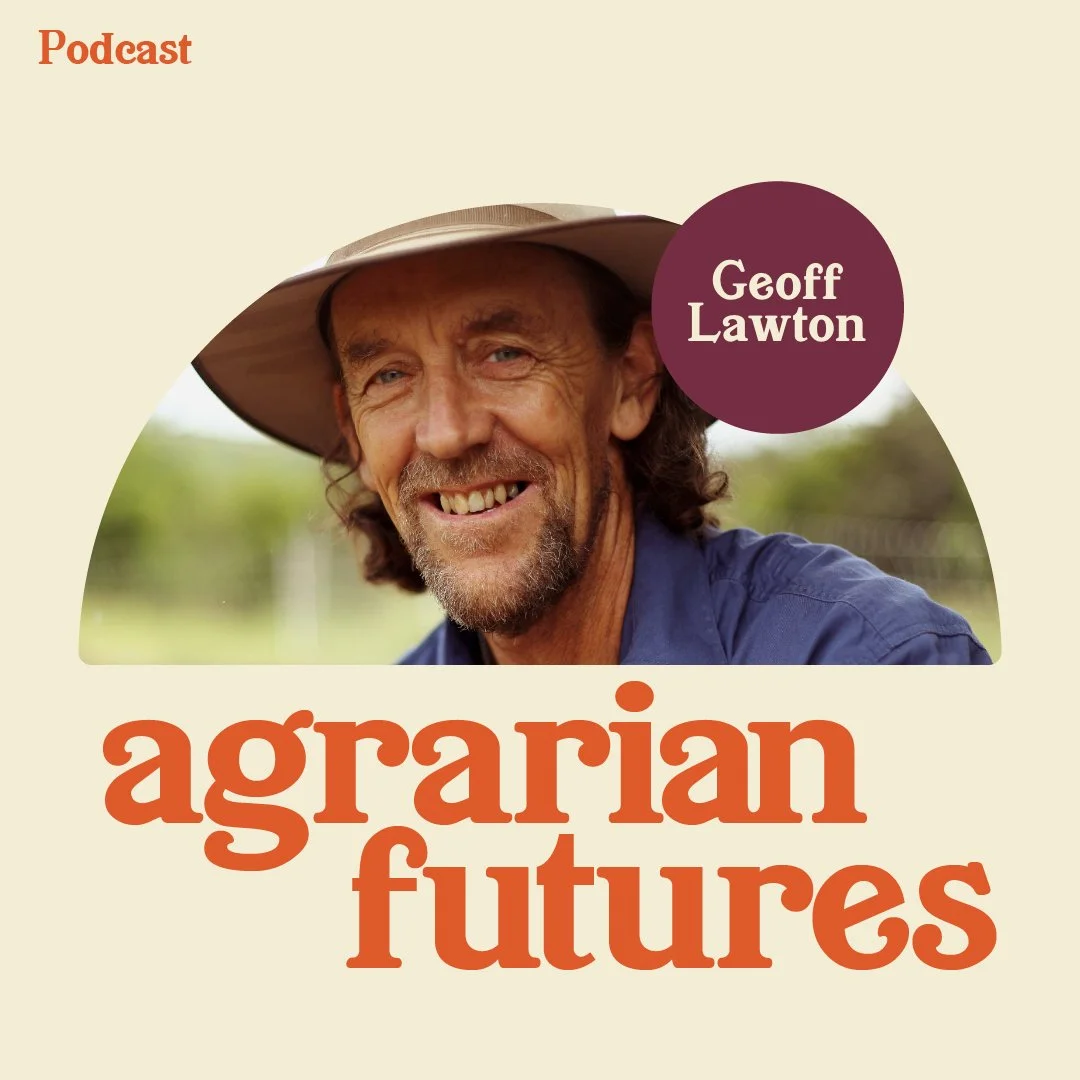
Permaculture and the Case for Hope with Geoff Lawton
In this conversation, Geoff Lawton offers us something rare: a genuinely hopeful and rigorously grounded vision of how humanity can become a reparative rather than destructive force on this planet.
As one of the world's leading permaculture designers and educators, Geoff has built demonstration sites and trained practitioners across six continents, from the Jordan Valley to the Australian bush. At Zaytuna Farm in New South Wales, he has spent over two decades transforming bare, degraded land into a thriving food forest with 32 bodies of water, hundreds of tree species, and a model for what regenerative living can look like at every scale.
-
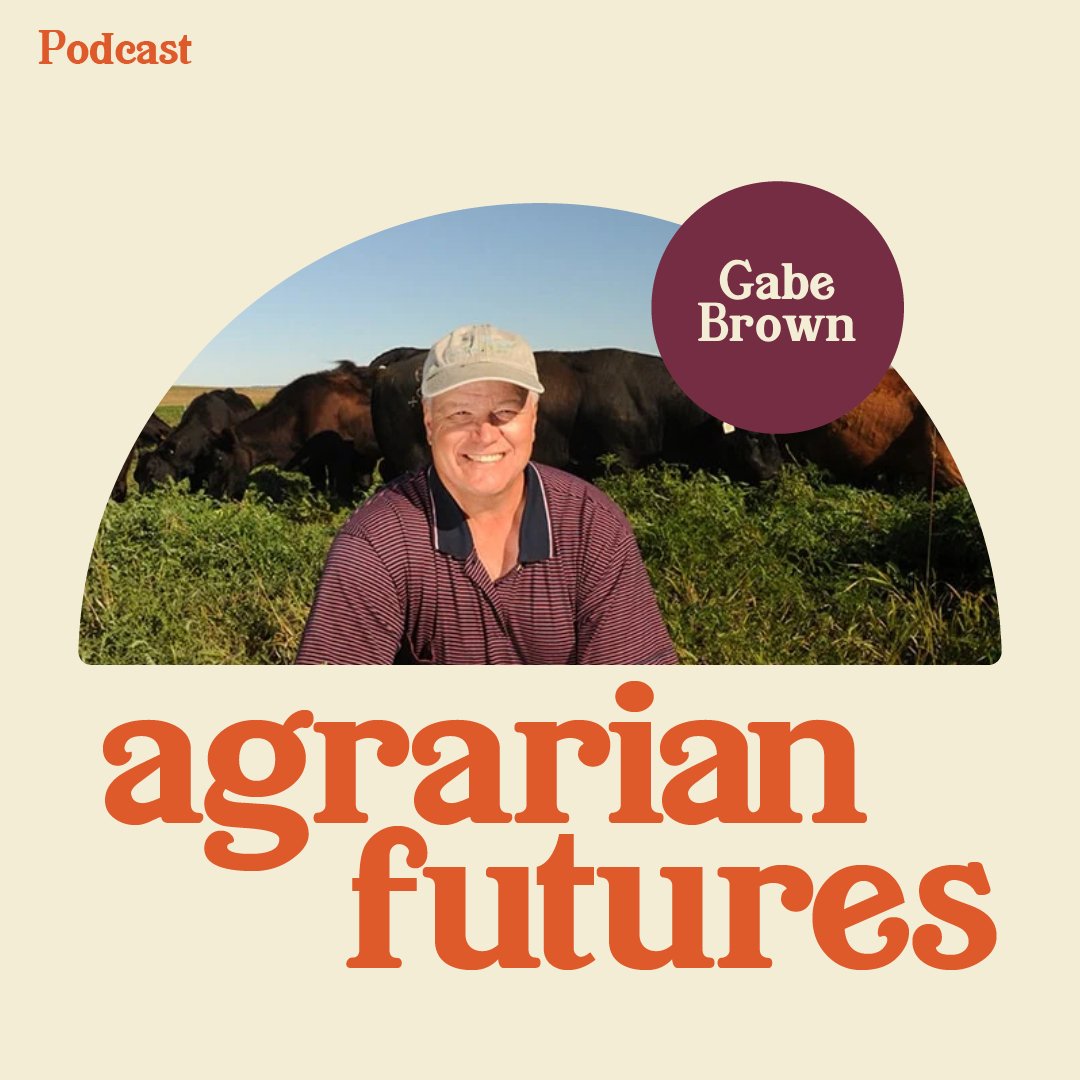
The Future of Regenerative Agriculture with Gabe Brown
Gabe Brown didn't set out to revolutionize agriculture. He set out to survive it.
After four consecutive years of crop disasters left him $1.5 million in debt, he had no choice but to question everything he'd been taught. What emerged from that reckoning became one of the most influential farms in the regenerative agriculture movement, and eventually two organizations working to spread those lessons globally: Understanding Ag, now consulting on over 37 million acres worldwide, and Regenified, a verification company built to cut through the greenwashing.
In this episode, we look forward. Where is regenerative agriculture headed? Who's driving it, and what's standing in the way?
-
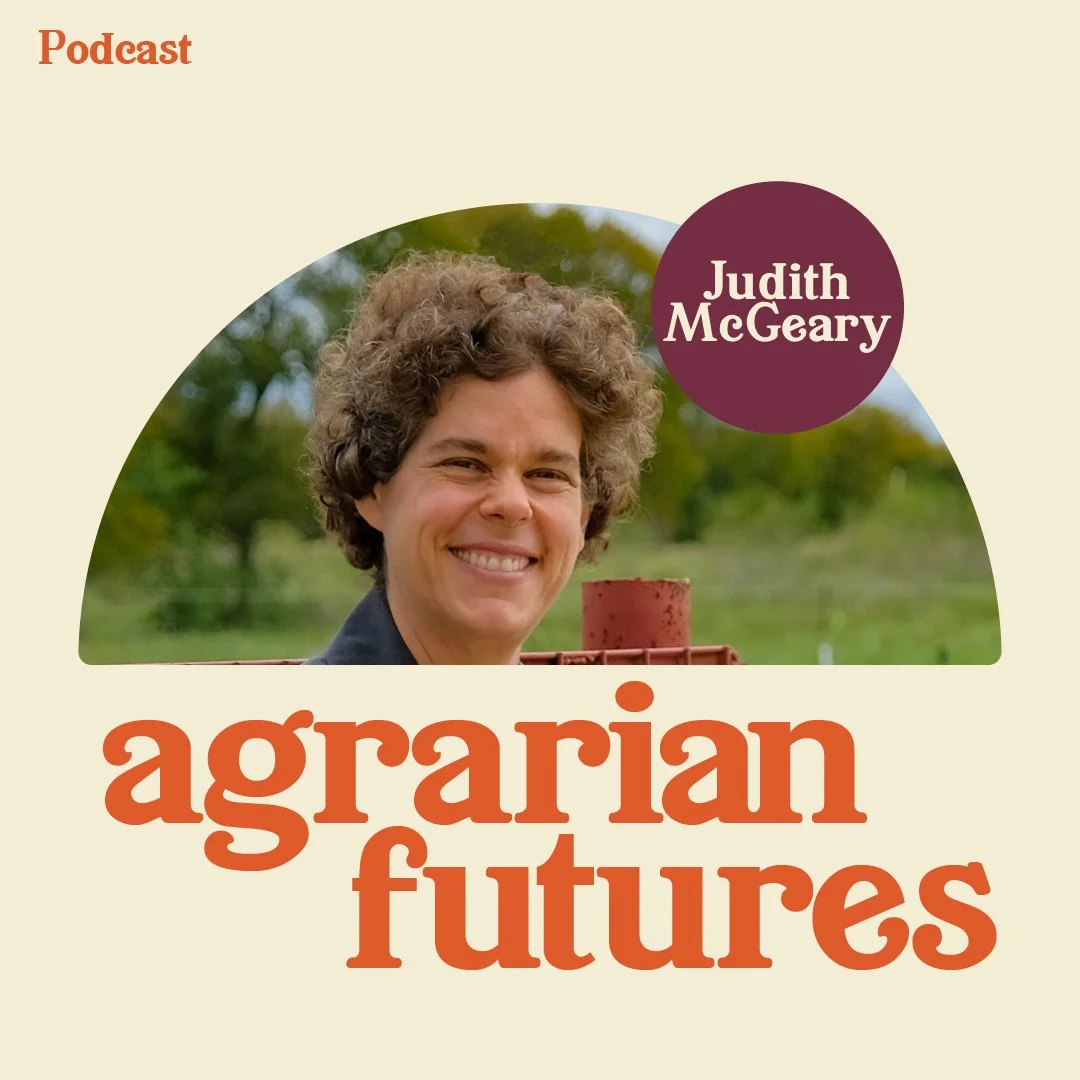
The Farm Bill Explained with Judith McGeary
You can't understand the modern food system without understanding the policy that shaped it. And you can't understand US food policy without understanding the Farm Bill.
Judith McGeary is an attorney, farmer, and the founder of Farm and Ranch Freedom Alliance, a national organization that supports independent family farmers and fights corporate consolidation of the food system. In this conversation, Judith breaks down what's actually in the Farm Bill, adds some needed nuance to the subsidy debate, and explains what's at stake as the bill moves through the US Senate right now - and how you - yes you! - can help shape it.
-
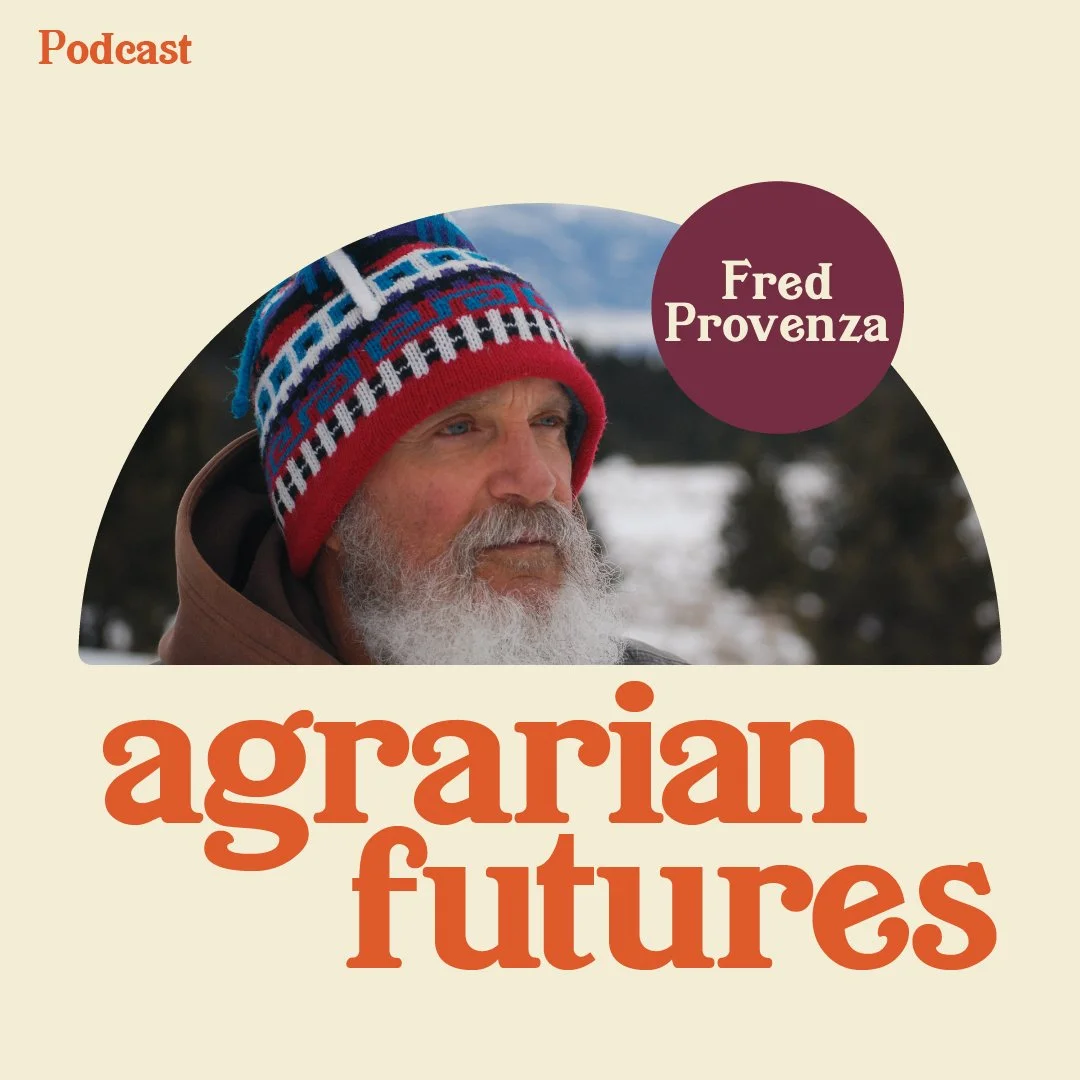
What Animals Teach Us with Fred Provenza
Our guest today, Fred Provenza, has spent his career listening to what animals can teach us: about landscapes, about food, about the deep intelligence woven into the living world.
Fred is professor emeritus of Behavioral Ecology at Utah State University, where he directed an award-winning research program that pioneered our understanding of how early experience, family, and landscape shape the foraging wisdom of animals. He is the author of over 300 scientific papers and three books, including Nourishment: What Animals Can Teach Us About Rediscovering Our Nutritional Wisdom, Foraging Behavior: Managing to Survive in a World of Change, and The Art & Science of Shepherding, co-authored with French herder Michel Meuret.
In this conversation, Fred draws on a lifetime of ranching, research, and wide-ranging inquiry, taking us from the pastures of Utah to the pre-alps of France. Together we reflect on what we've lost, what endures, and what it might mean to come home to a more intimate relationship with the land.
-
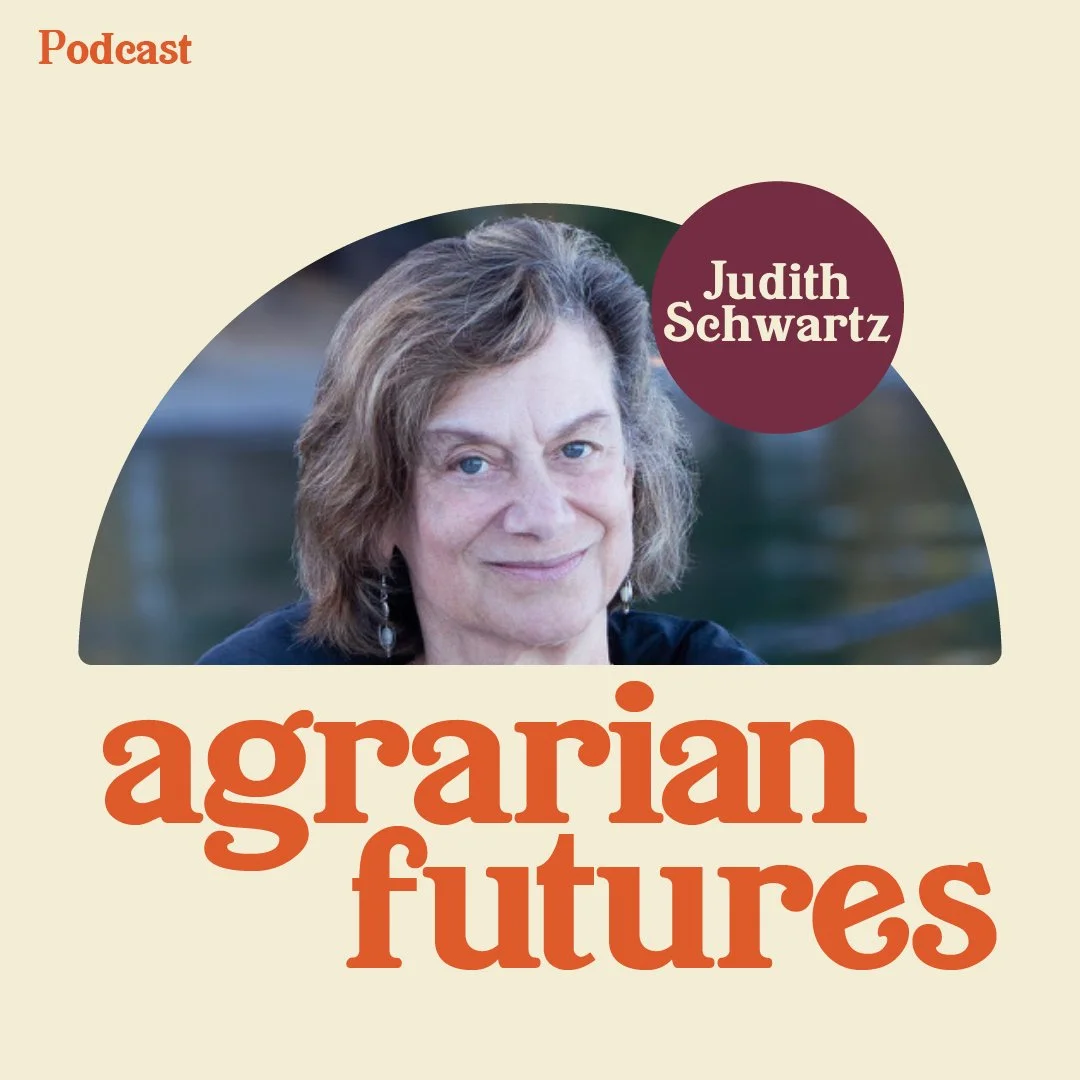
How Land Heals with Judith Schwartz
Our guest today - Judith Schwartz - has spent career showing us that the natural world is more resilient than we think, and that we have more power to restore it than we have been led to believe.
Judith is a journalist and author whose books, Cows Save the Planet, Water in Plain Sight, and The Reindeer Chronicles, have taken readers from the degraded hillsides of China's Loess Plateau to the Arctic tundra of Norway.
In this conversation, Judith shares stories from around the world of people healing land, rebuilding community, and rediscovering a sense of meaning in the process. It was lovely to sit with Judith and remember that restoration is closer than we think.
-
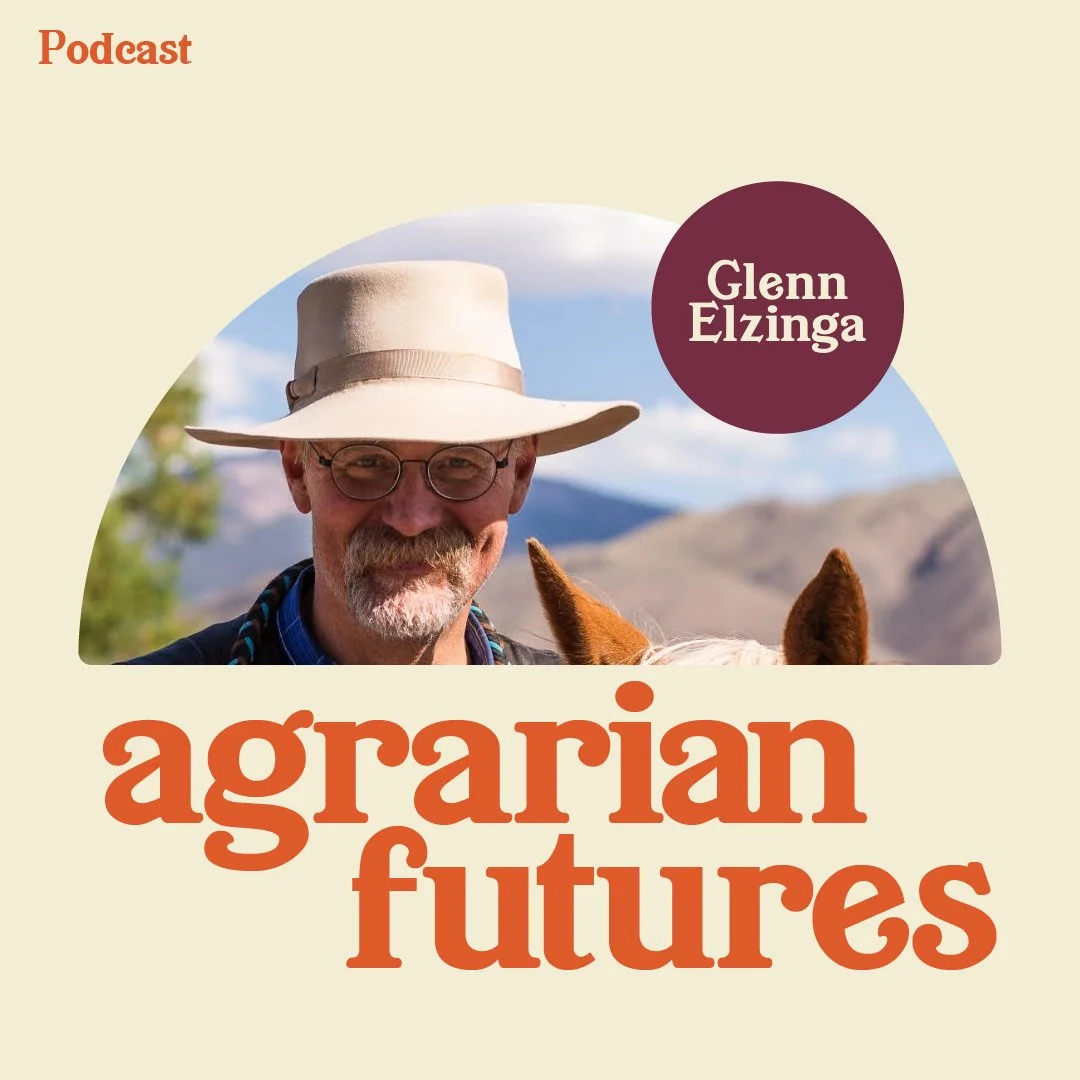
Life on the Range with Glenn Elzinga
Many of us have lost the thread that connects us to our food. Glenn Elzinga is spending his life trying to pick it back up.
Glenn is the founder of Alderspring Ranch, a certified organic grass-fed beef operation in the remote Salmon River country of central Idaho. But describing it as a beef operation barely scratches the surface. Each summer, Glenn and his family, along with a rotating crew of interns, ride on horseback across 70 square miles of mountain range, living alongside their cattle for months at a time, following the melting snow and the greening grass. It is, as Glenn describes it, an ancient practice of shepherding that modern agriculture has all but forgotten.
In this conversation, Glenn challenges some of the deepest assumptions embedded in how we raise animals and grow food. What does it mean to be a caregiver rather than a caretaker? What happens when we let a cow be a cow? And what is lost when we reduce agriculture to a production equation?
-