

Interview - Jim + Mark Kleinschmit
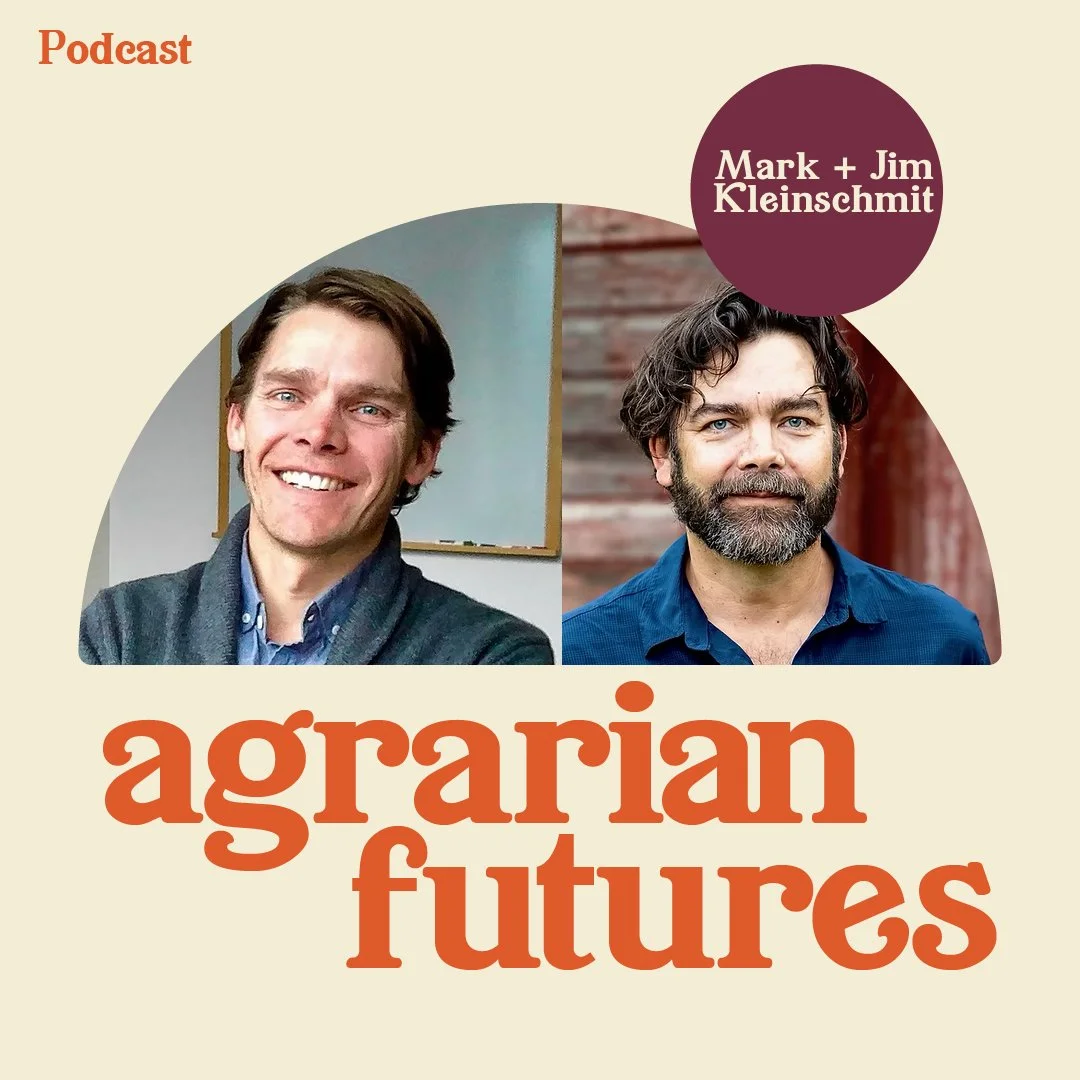
Regenerative agriculture isn’t just about how we raise animals. It’s about whether the entire system around them makes sense.
Smaller, regenerative producers with meat businesses, have traditionally lacked an economic outlet for hides and other byproducts. That missing piece can be the difference between a system that works for regenerative farmers and one that doesn’t.
Jim and Mark Kleinschmit are working to rebuild that piece. Through Other Half Processing, they’re creating new pathways for regenerative hides and reconnecting ranchers to a leather economy that reflects the full value of the animal.
In this episode, we dive into:
• Why whole-animal thinking is essential to regenerative systems
• How value from hides and byproducts has been pulled out of local economies
• What that means for the economics of regenerative ranching
• What it takes to rebuild regional leather and processing infrastructure
• The role of tanneries, brands, and partnerships in closing the loop
• Where they see real opportunity to make these systems work again
More about Other Half Processing:
Jim & Mark Kleinschmit. Brothers that grew up on a family farm in Northeast Nebraska. Raised by parents who were early adopters and champions for sustainable and regenerative agriculture.
OHP works directly with farmers/ranchers and small and medium sized meat processors to verify and buy traceable hides and other meat processing byproducts from regeneratively raised, organic, grassfed and other ethically raised animals. We aggregate and sell raw and finished products to apparel, food and pet sector companies.
Their business model is centered on providing shared economic returns to producer and other value chain partners, and fair pricing for customers and market partners.
Agrarian Futures is produced by Alexandre Miller, who also wrote our theme song. This episode was edited by Drew O’Doherty.